Commission Showreel


As a Director of Photography and Lighting Camera Operator, Benjamin has worked with clients such as Burberry, Google, Ted Talks, Meta, Mind The Film, Amazon,

LinkedIn, Charlotte Tilbury, Amnesty International and BMW among others. 


His experience spans studio and location productions as well as live stream events showcasing versatility and adaptability.


With each production presenting its own set of challenges and creative possibilities, Benjamin brings a considered and flexible approach to visual storytelling across a wide range of formats.
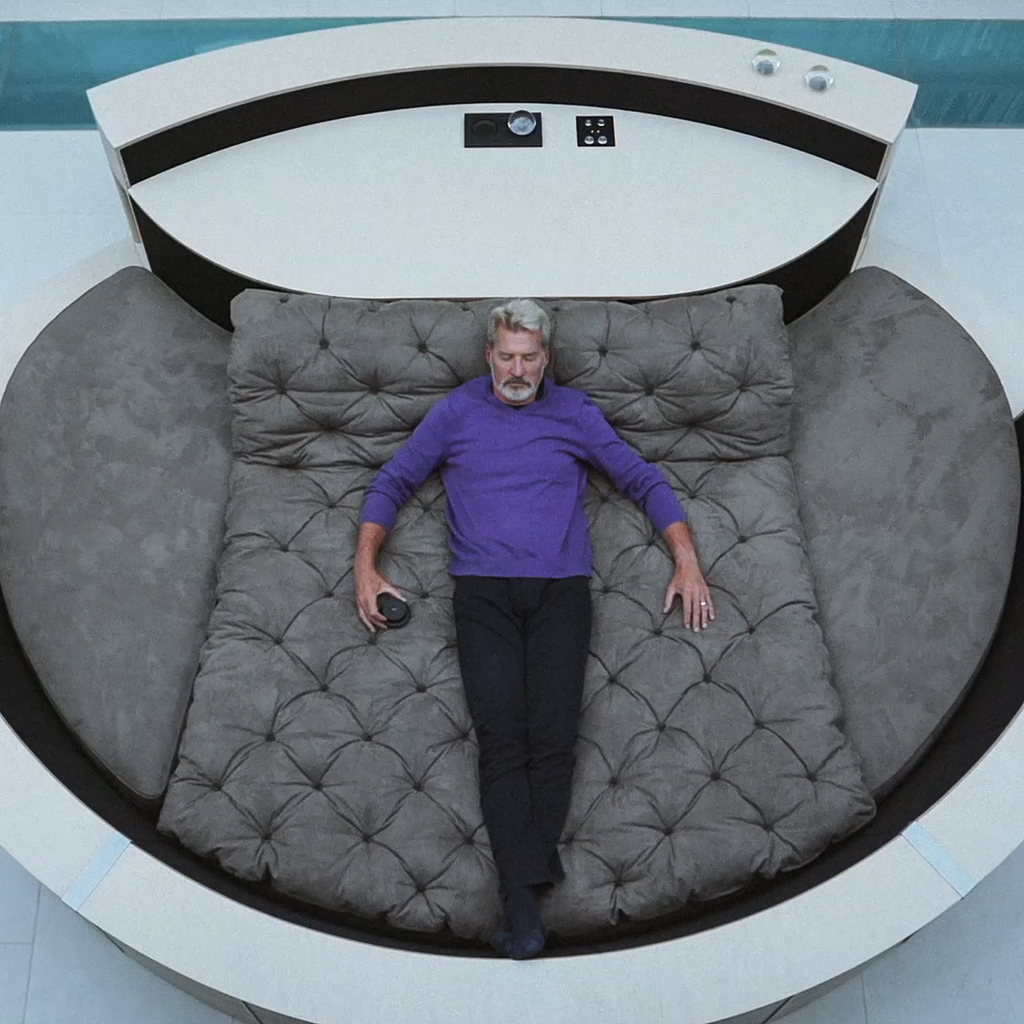
Winter Springs - 'Darkest Hour' - (Official Music Video)


Benjamin was approached by the band Winter Springs to create a music video for their track, 'Darkest Hour'.


To Benjamin, the track carried dark emotional undertones, which he interpreted synesthetically through a visual palette dominated by deep blues and blacks.


The narrative of their song touched on themes of infidelity, a concept that Benjamin wove throughout the video's storytelling, using symbolic imagery and tension filled scenes to reflect the emotional weight of the song.

The Reference Series by KEF


Benjamin has served as Director of Photography for Mind the Film for over 10 years.


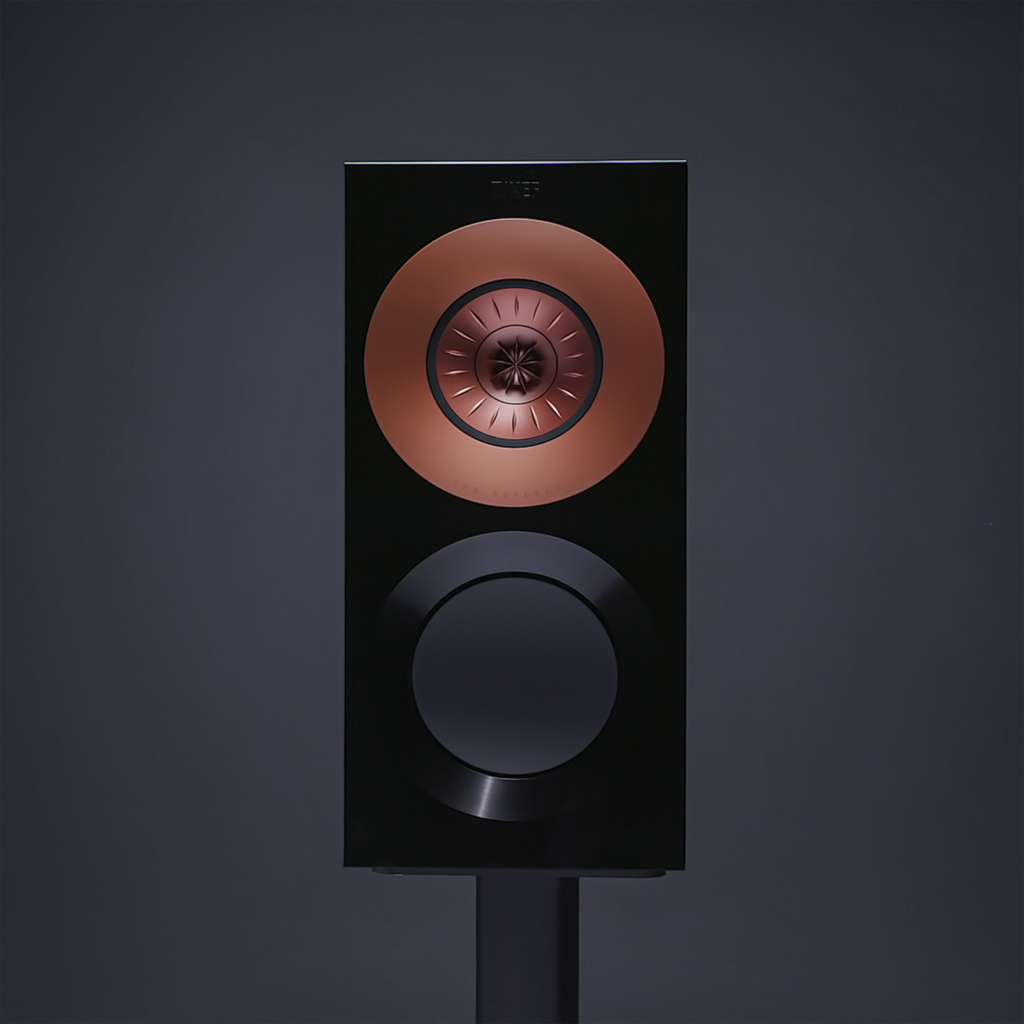
One of his recent projects for Mind The Film involved designing the lighting setup for a high profile commercial showcasing KEF'S Reference Series of speakers. 


The campaign required a sophisticated visual approach to match the precision engineering and premium quality of the product. He crafted a lighting design that emphasised the sleek contours and acoustic craftsmanship of the speakers, creating a cinematic aesthetic that resonated with KEF'S brand identity.

A Kerala Notebook


A journey through Kerala, 'God's Own Country'.


This film traces a path from Cochin, Alleppey, Amritapuri, Athirappilley to Varkala.


The rhythm of the journey is echoed in the structure and editing of the film - shifting from the intensity of urban landscapes, scorching heat and chaotic sounds to moments of quiet backwaters, sunlit beaches, warm smiles and vibrant nighttime festivals.

Edmund Jeffery 'Fading' - (Official Music Video)


Benjamin was approached by Edmund Jeffery to create the music video for his song, 'Fading'.


Wanting to create a strong connection between the visuals and the lyrics, he chose to shoot most of the video during; 'Magic Hour' - the brief window just before sunset when natural light softens and fades. 


As the track unfolds, the light fades with it, reinforcing the song's themes, through a subtle visual parallel.

Cin'e'Scape - 03:45


Cin'e'Scape 03:45 embraces ambiguity and mood over traditional storytelling. The film offers no dialogue, only unsettling visuals and carefully crafted sound to guide the viewer.


It leans on the power of the filmic collective unconscious, encouraging personal interpretation and emotional response through suggestion rather than explanation.

A Hackney Notebook


While living in Hackney Benjamin was captivated by the borough's relentless stream of audio visual stimulation - a daily rhythm of sound and image.


The multi-cultural fabric of the area, alive with contrasts and contradictions. He captured scenes both ordinary and surreal, travellers chopping wood along the canals, summer BBQ'S thick with smoke and deep baselines, shady back street deals, vibrant festivals, jerk chicken and rows of organic shops nestled between old pubs and gritty estates. 

Amnesty International - 'Hidden'


Benjamin was approached by Amnesty International to create a film exploring complex questions of identity within the LGBTI community. 


In particular, how people expressed their sexual identity in countries where homosexuality was criminalised, places where being openly queer could lead to imprisonment, torture or death. 


The film seeks to shed light on the silent, often invisible lives of people forced to have to 'hide' who they are. 

A Skopelos Notebook


Filmed on the island of Skopelos, best known for the film Mamma Mia, the film captures the innate beauty of the Northern Sporades.


The journey moves through olive groves alive with the sound of cicadas, along remote beaches such as Lemnonari and Armenopetra and into quiet mountain villages only accessible by narrow dirt tracks then onto Skopelos town, where traditional cafes serve Greek coffee and fresh Baklava, watching sunsets descend over the horizon and feeding cats, lots of cats.

NO-5


With a slight nod to the Guy Ritchie/East End Geezer, characterised within films such as Lock Stock and Two Smoking Barrels, this short film attempts to embody the inherent quality of a criminal line up while retaining an open-endedness which challenges any simple interpretation.

An Alpujarra Notebook


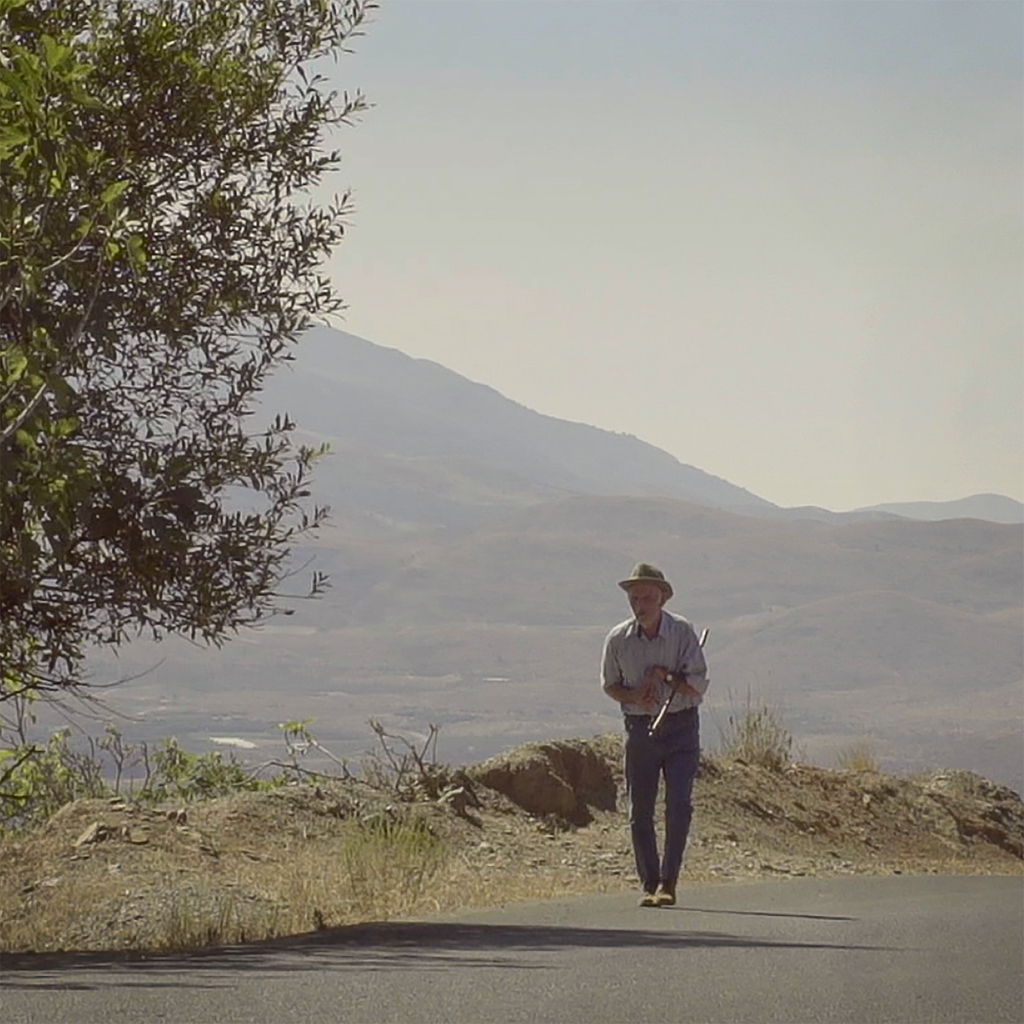
An Alpujarra Notebook is a short, meditative film shot in the Alpujarra region of Southern Spain.


It captures the stillness, heat and natural beauty of the mountains, flora and fauna with a painterly eye.


The film is accompanied by live music from Mairena, performed by Juan Cortez Gomez and Amalia Ruiz Cortez , adding an intimate layer of local sound and spirit to the visual journey.

Room 9


Room 9  explores themes of narrative circularity, deliberately subverting the conventional cinematic desire for resolution and closure. 


Metaphorically structured like a Möbius Strip, the film invites the viewer into what appears to be a therapy session. The therapist seeks to uncover a past event that both participants may have experienced.  


The viewer, like the characters become trapped in the cyclical nature of the narrative. Room 9 resists resolution, instead looping back on itself, leaving interoperation open ended and the psychological tension unresolved.

Pot Plant


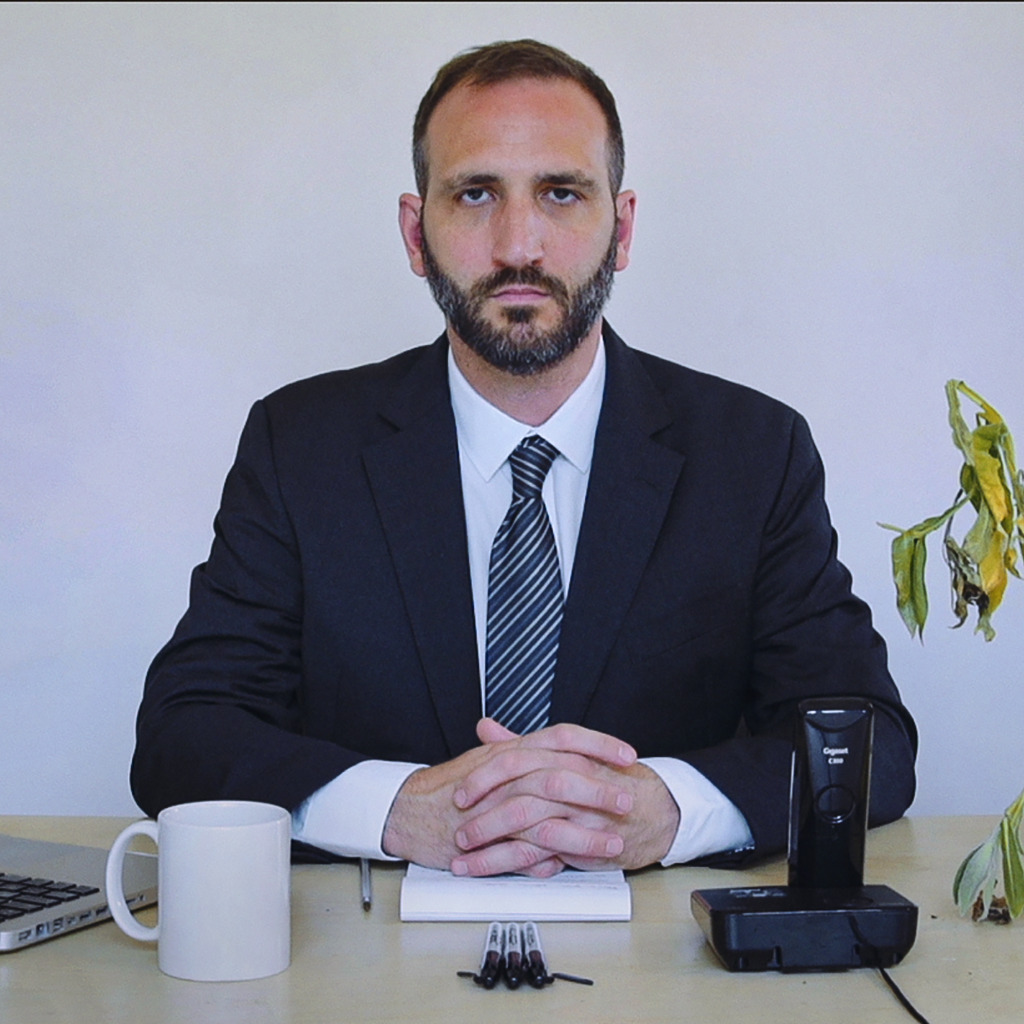
Pot Plant is a short film that blends quiet observation with understated comedy.


It captures the internal tension of life in a corporate setting, where even the simple act of watering a plant becomes a symbol of procrastination, self-negotiation and quiet rebellion.


Through subtle visuals and restrained pacing, the film offers a wry look at the small, often unnoticed struggles of office life. 

Exit Lines


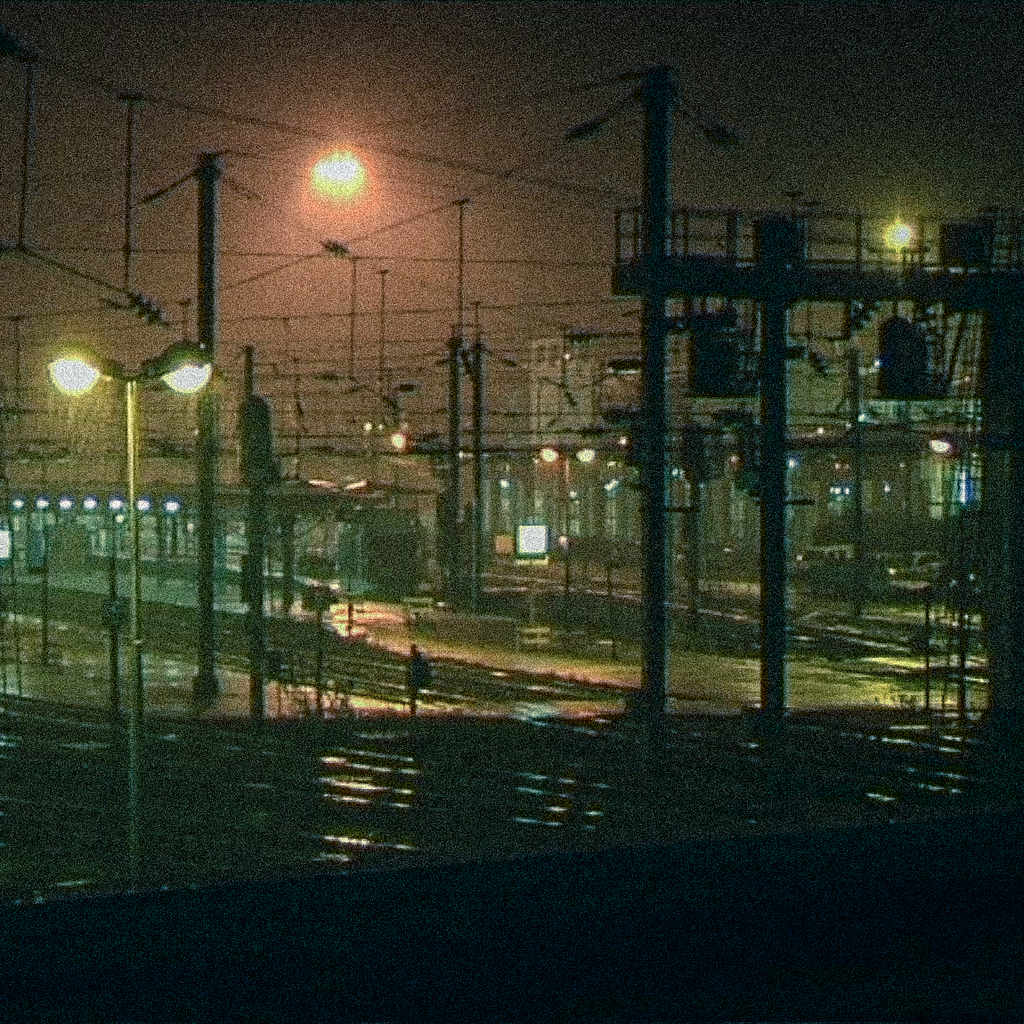
Exit Lines is a multi-layered exploration of psychological themes in the dark underbelly of human society, fragmented narratives and emotional disconnection. 


It is presented as a four screen installation. The work invites viewers to find their own meaning through a series of cinematic visuals paired with distorted voicemails sourced from various phones and voices.


Tapping into the cinematic collective unconscious, Exit Lines creates an atmosphere of unease, and psychological tension, leaving interpretation open and the impact lingering.

Asylum


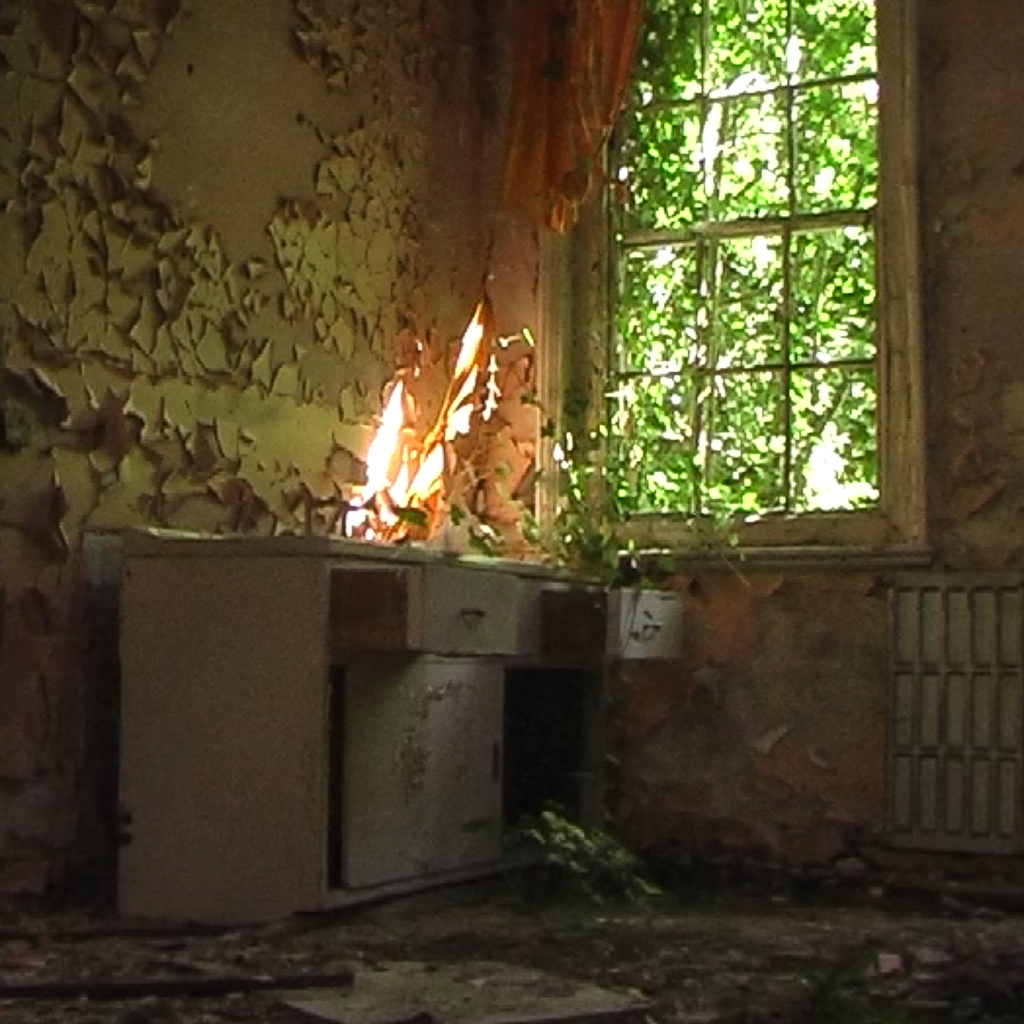
Asylum was filmed in an abandoned Victorian Lunatic Asylum. Benjamin was not only drawn to its layered and often troubling history, but also by the way light moved throughout the space, revealing new details: flaking paint, endless corridors, and remnant's of patients belongings.


Rejecting the look of modern digital cinema, he chose to shoot on DV Cam, it's low resolution, degraded aesthetic, mirrored the decay of the building itself. He deliberately omitted sound from the film, creating a disconnect between the image and the experience. This silence mirrors the forgotten voices of the patients and the derelict Asylum. The film is presented as a two screen video installation on opposing walls.

Patient One


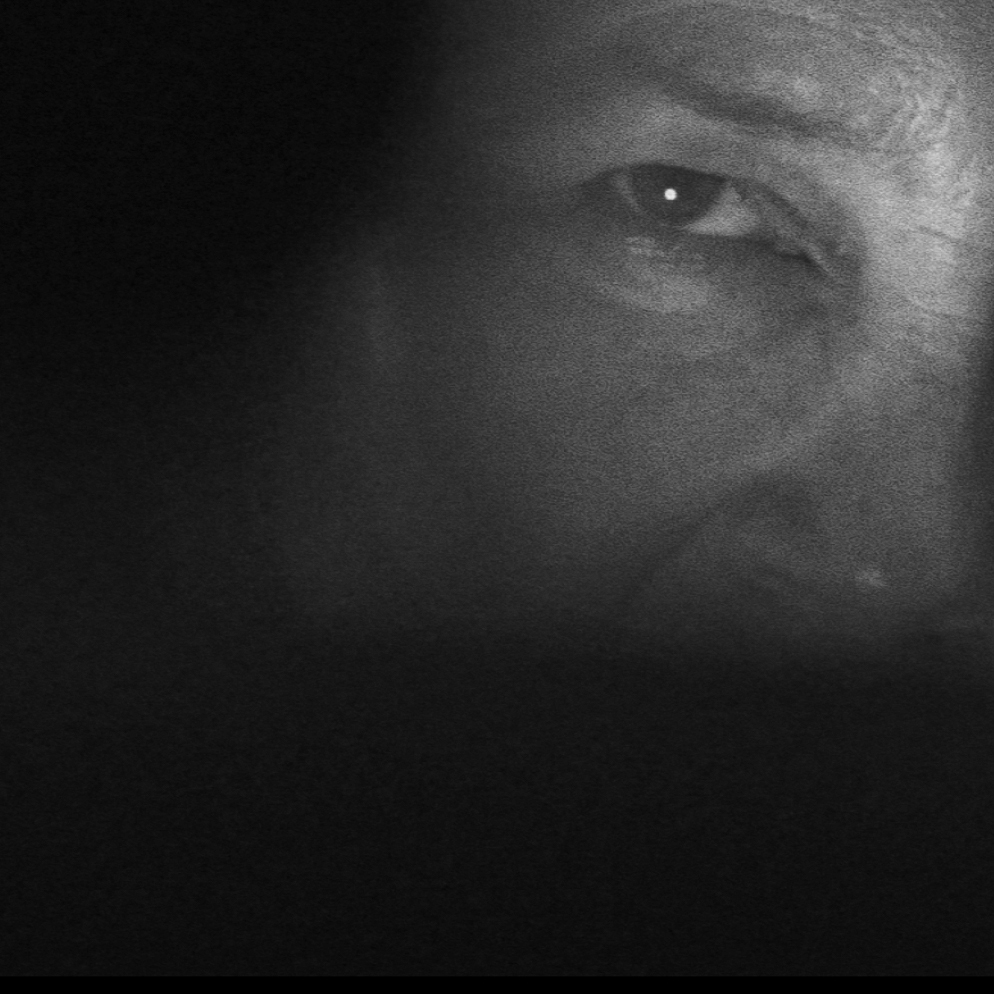
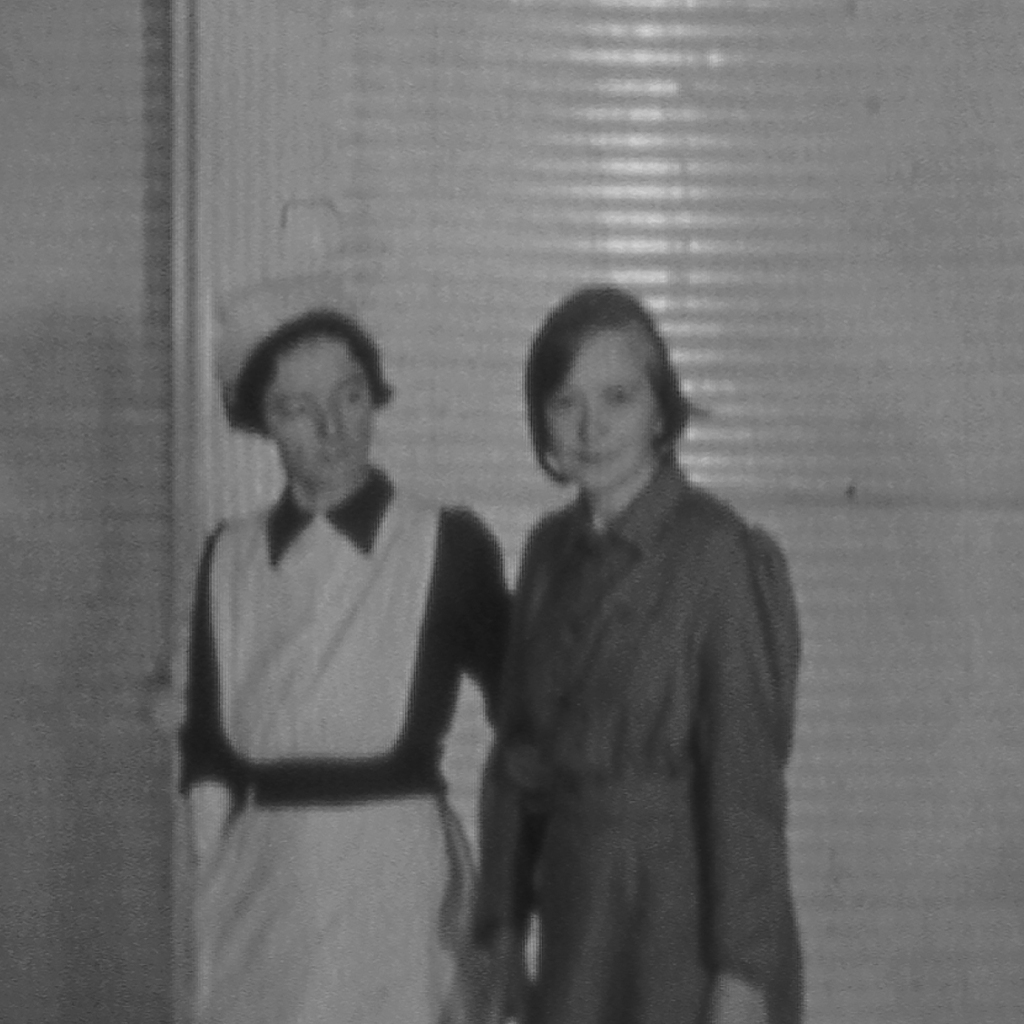
Whilst exploring an abandoned Lunatic Asylum, Benjamin discovered several 8mm black and white film reels. After scanning the footage, he uncovered a haunting scene: a nurse walking a patient back and forth across a room. 


The footage is silent, but the dynamic between the people hints at a time when patients were often treated as subjects of observation rather than individuals.

11:59


11:59 both explores and subverts traditional cinematic conventions, much of which now resides in the collective unconscious of the audience. 


Drawing on the aesthetic and structural elements of psychological thrillers and horror films, 11:59 constructs a multi-layered narrative that plays with familiar tropes and expectations. 


These cinematic cues are not simply referenced but recontextualised, inviting the viewer into an active dialogue with the film and its characters.


11:59 is presented as a four screen video installation.