Underground


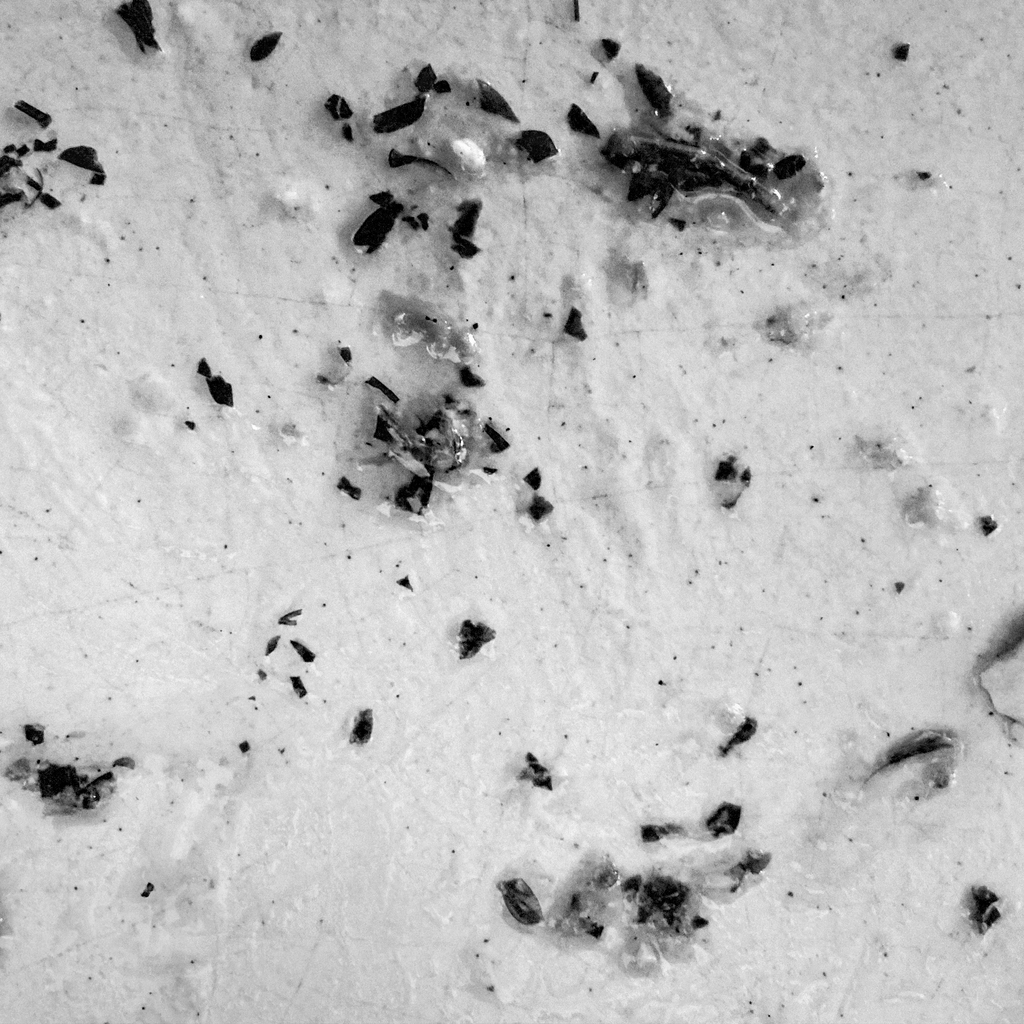
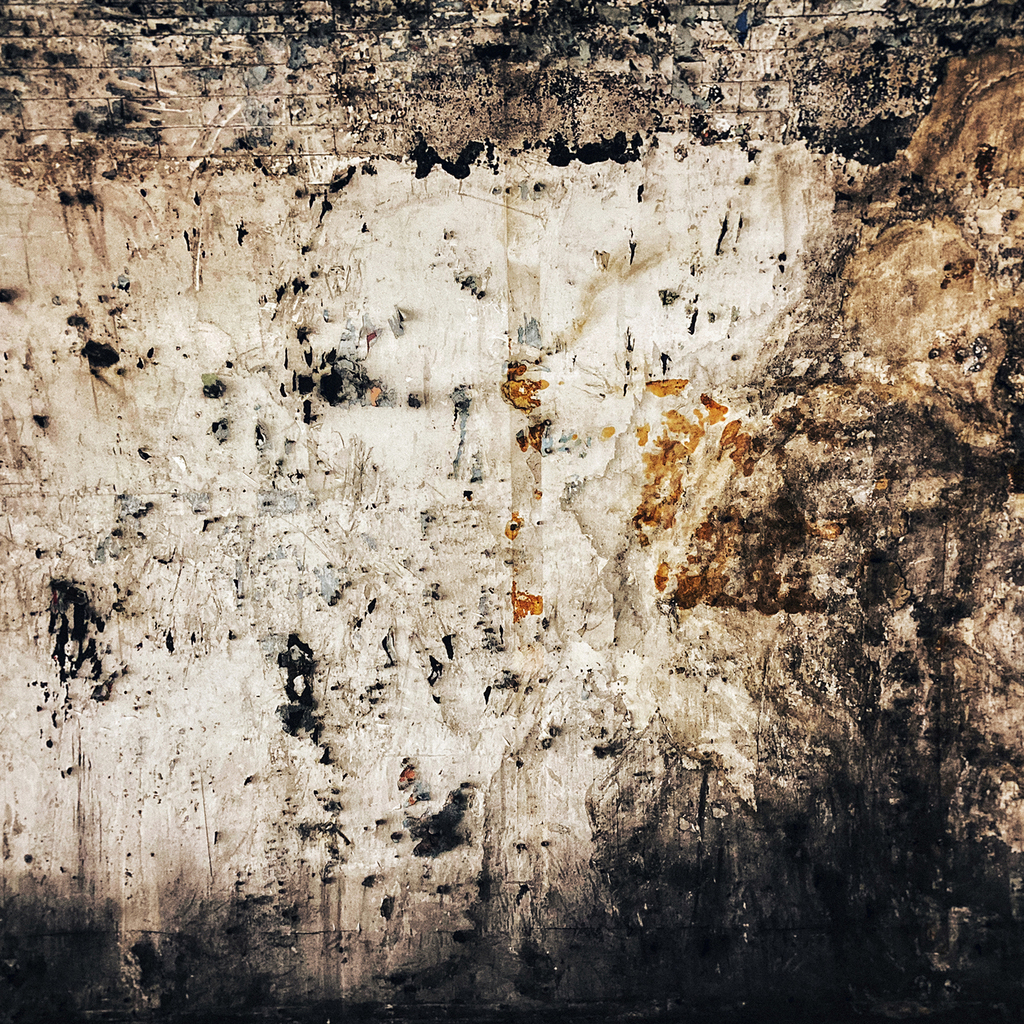
In his photographic practice Benjamin gravitates towards abstract, ambiguous imagery - works that resist a single interpretation.


The intentional ambiguity invites dialogue between the viewer and the image, creating space for reflection and open ended, non-didactic meaning.


This collection of photographs titled, 'Underground', builds on this concept, the work gestures towards potential interpretations of territory, mapping or landscape, suggesting, rather than defining meaning.
Humans


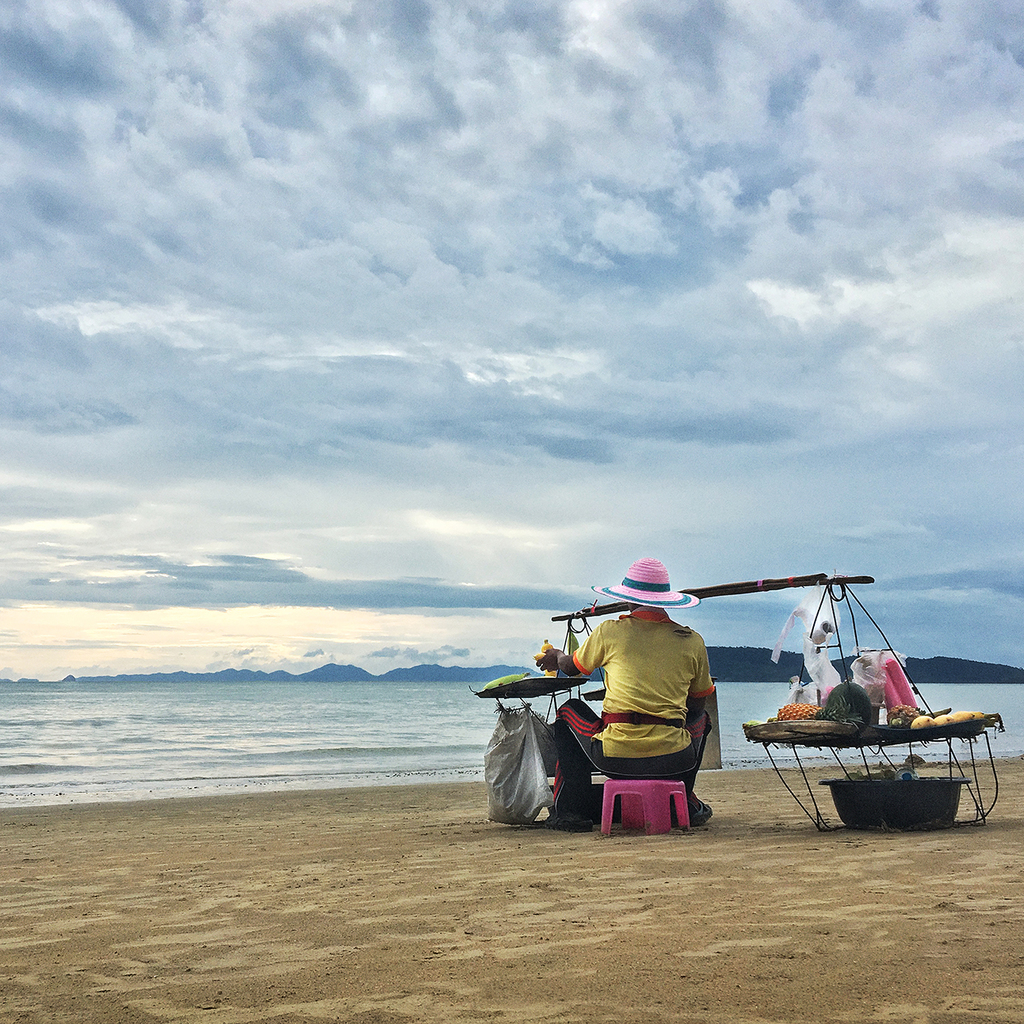
Within Benjamin's photographic practice, he is consistently drawn to solitary figures-humans within vast, often overwhelming landscapes. 


These figures are frequently dwarfed by their surroundings, creating a striking visual contrast between the human scale and the immensity of the natural or built environment.


This compositional approach produces a sense of compression - not merely spatial - but emotional, where the landscape appears to press in on the subject, amplifying their vulnerability, isolation or introspective state. 

Interviews


As Director of Photography Benjamin has shot and lit a wide range of subjects from intimate portraits to dynamic scenes. Whether working on narrative film, music videos or experimental projects, Benjamin adapts his visual style to match the mood, message and medium.


His work reflects a deep understanding of how light, composition, movement and shape, can shape emotion and meaning on screen.

Plates


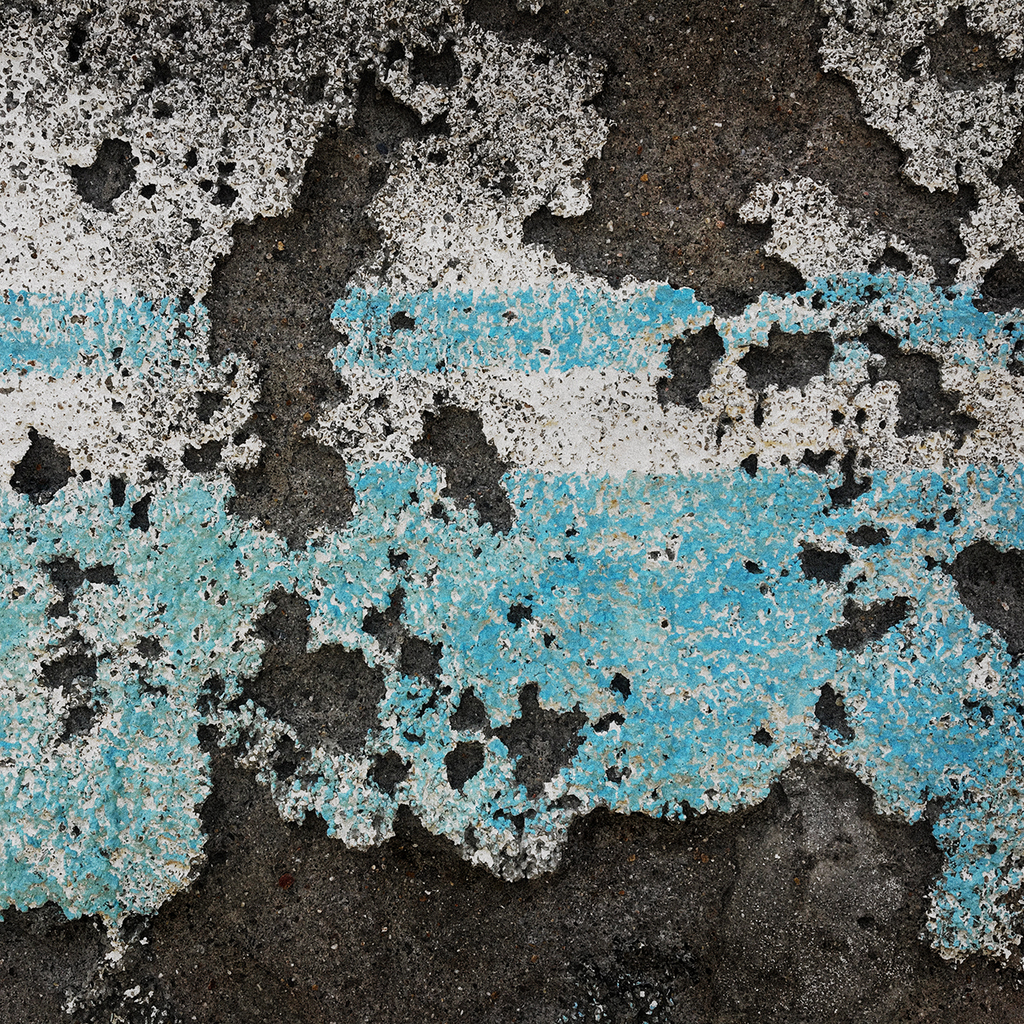
Through this photographic work, Benjamin explores the intersection of painting, photography and mark making - challenging the boundaries of each form. 


His approach is both process driven and conceptually grounded, questioning not only how images are made but what they can potentially signify.


By blurring the line between medium and message, Benjamin investigates how surface, texture and gesture can disrupt or deepen our understanding of visual language.

Forgotten


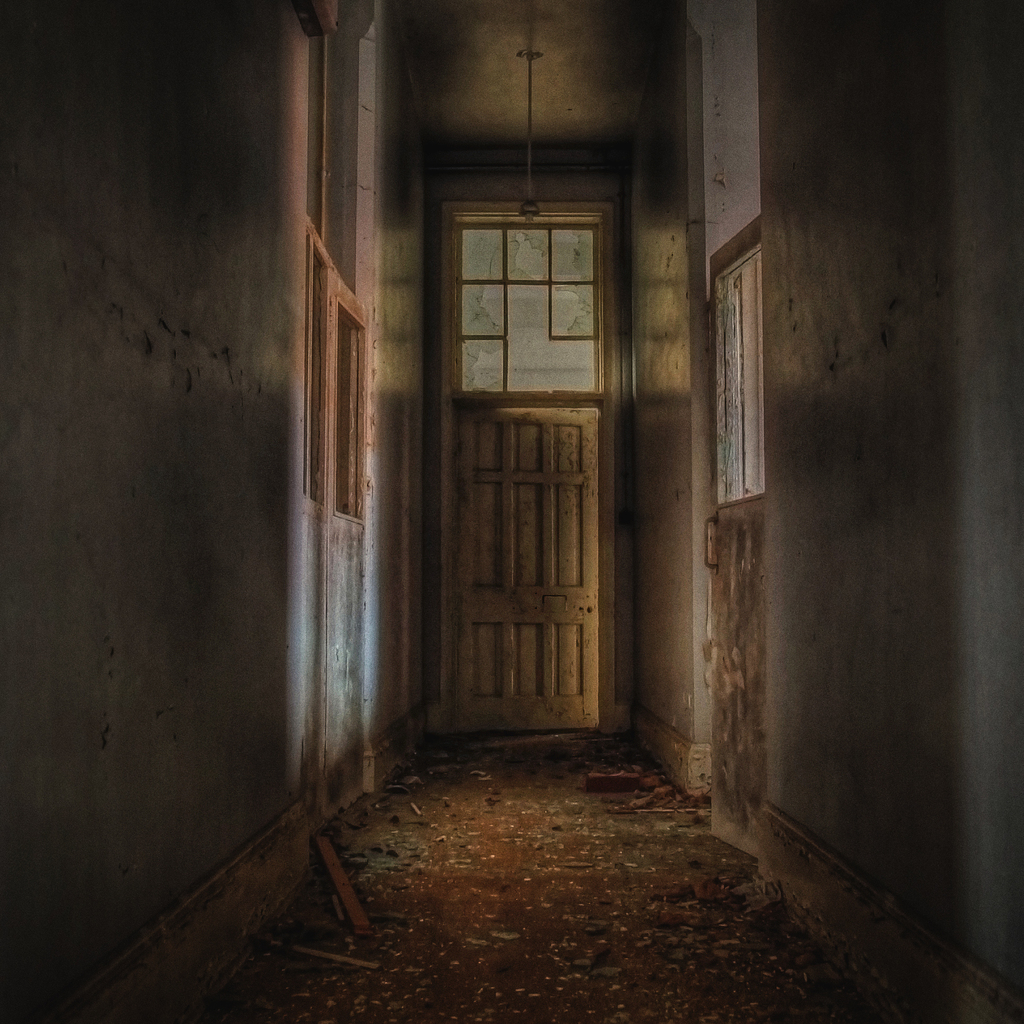
Benjamin is drawn to the psychological dimensions of space and the quiet narratives embedded within architecture. He is particularly interested in how buildings carry traces of human presence - how walls, corridors and forgotten corners can hold memory, emotion and evidence of lives once lived.


Over time structures decay, and in that process of erosion, history is revealed - not in grand gestures, but in subtle archeological layers.


His work often explores the tension between absence and presence, between the built environment and the people who have moved through it.

Scapes


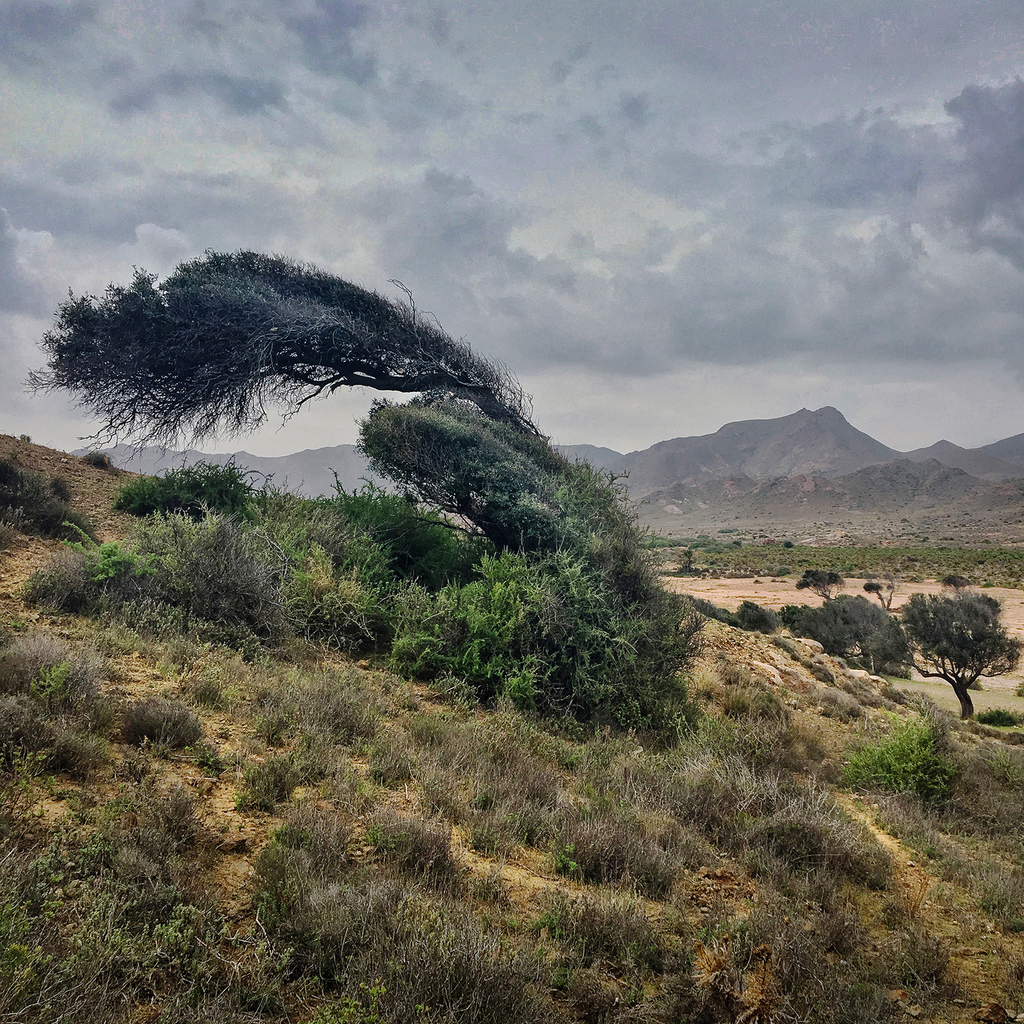
Within Benjamin's photographic practice, he explores the emotional and sublime qualities of landscape. 


His work focuses on atmosphere rather than spectacle, seeking to reveal the essence of a place, whether in the stillness of a mountain or the grit of a city street.


Blending documentary realism with fine art aesthetics, Benjamin's images evoke a quiet, contemplative tone. Each frame invites the viewer to pause, feel and reimagine the familiar with renewed depth and sensitivity.

Details


Benjamin is often drawn to the periphery of his vision - small, often overlooked details that quietly suggest deeper narratives. These might be signs, symbols, or enigmatic remnants of human activity, each one carrying the potential for hidden meaning.


His images invite the viewer into a subtle dialogue, prompting them to consider what these fragments signify and to piece together their own interpretations. In this way, Benjamin's work becomes less about providing answers and more about opening space for curiosity, reflection and unresolved mystery.